Seasonal harvests can produce more seeds, nuts, and herbs than a standard kitchen setup can process efficiently. The right oil press helps turn that raw material into fresh oil while giving you better control over temperature, batch size, and cleanup.
This roundup compares ten manual, electric, commercial-style, and specialty pressing tools. Use the guide below to match capacity, pressing method, temperature control, and maintenance requirements to your harvest routine.
Best 10 Oil Presses for Seasonal Harvests Picks for 2026
High-Capacity Electric Pick

- Up to 11 lb/h flaxseed processing
- 122–572°F hot and cold pressing
- Handles 30+ nuts and seeds
Best For: Larger seasonal harvest batches and varied ingredients
Off-Grid Harvest Pick
Original Manual Nut and Seed Expeller
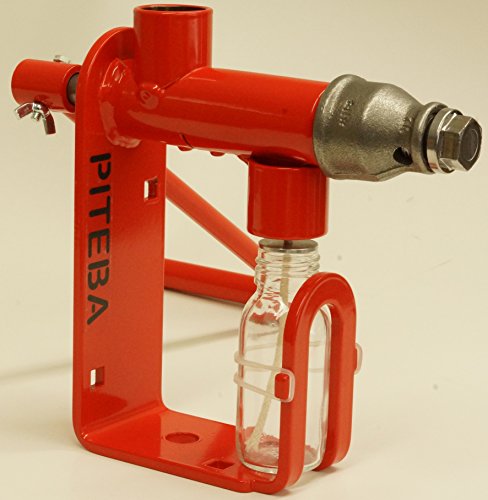
- No external power source needed
- Continuous manual expelling
- Compact 4.14-pound design
Best For: Small farms and off-grid seasonal pressing
Temperature-Controlled Pick
Electric Hot and Cold Oil Press

- 6.61–13.22 lb/h stated capacity
- Digital temperature display and timer
- Hot and cold pressing modes
Best For: Home harvesters seeking controlled, versatile pressing
Portable Manual Pick
Piteba Oil Press and Easy Fill Set
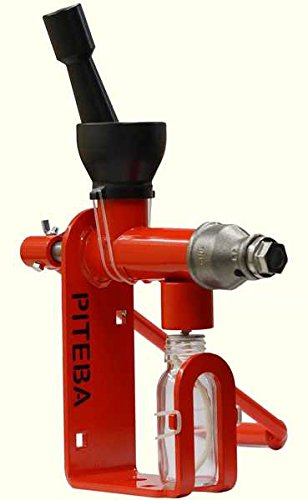
- Manual and power-free operation
- About 5 pounds for easier handling
- Includes an EZ-fill funnel
Best For: Small, occasional harvest pressing away from outlets
High-Capacity Harvest Press
Automatic Stainless Steel Seed Oil Maker

- 50–250°C adjustable temperature control
- Processes several common seeds and nuts
- Includes filter, oil cup, gloves, and manual
Best For: Home users processing varied seasonal seed harvests
Clean-Batch Separation Press
LETIME Multiuse Infused Oil Press

- Separates liquid from infused oils and tinctures
- 2-liter marked receiver
- Dishwasher-friendly except handle ball
Best For: Small-batch infused oil, tincture, honey, and herb separation
Continuous Harvest Workhorse

- Hot and cold pressing modes
- Up to 9–13.5 pounds per hour stated output
- 820W motor with temperature display
Best For: Higher-volume seasonal seed pressing at home or commercially
Best Small-Batch Filter

- Compact for small infusion batches
- 304 stainless steel with fine mesh
- Detachable and dishwasher safe
Best For: Herbal oils, tinctures, tea extracts, and DIY skincare
Best Manual Seed Press
CGOLDENWALL Household Oil Press

- Physical pressing without chemical ingredients
- Rust-resistant stainless steel body
- Portable, manual household design
Best For: Oil-rich seeds and nuts in small home batches
Best Automatic Harvester Press
850W Automatic Oil Press Machine

- 850W motor with automatic operation
- Cold and hot press modes
- Digital controls and detachable design
Best For: Frequent batches of dried seeds and nuts
High-Capacity Electric Pick – VEVOR 11 LBS/H Oil Press
For seasonal harvests, this VEVOR electric oil press is built for faster batch processing at home, in a restaurant, or in a small commercial setting. Its adjustable 122–572°F range supports both hot and cold pressing, while the machine can handle more than 30 nuts, seeds, and other oil-rich ingredients.
Best For: Users who want an electric press for larger harvest batches and varied ingredients.
Pros:
- Processes up to 11 pounds of flaxseed per hour.
- Wide temperature range supports hot and cold pressing.
- Works with more than 30 types of nuts and seeds.
- Includes a filter screen, oil cup, gloves, and cleaning brush.
Cons:
- Requires corded 220-volt power.
- At 28.7 pounds, it is less portable than manual presses.
- Hand washing is required.
Choose this model when throughput and ingredient flexibility matter more than portability. Its substantial build and included accessories make it a practical option for recurring seasonal pressing.
Off-Grid Harvest Pick – Original Manual Nut and Seed Expeller
This manual expeller suits seasonal harvests when you want a compact tool without relying on electricity. It is designed for continuous manual expelling, offers high extraction efficiency according to the supplied details, and weighs just 4.14 pounds.
Best For: Small farms, off-grid use, and shoppers prioritizing a lightweight manual press.
Pros:
- Operates without an external power source.
- Supports continuous manual expelling.
- Compact dimensions make storage easier.
- Designed for simple operation and minimal maintenance.
Cons:
- Manual operation requires physical effort.
- The supplied notes do not specify a processing rate.
- May be less convenient for very large harvest volumes.
This is a straightforward choice for harvesters who value independence from electrical power and easy storage. Its manual design is best matched with smaller or intermittent pressing jobs.
Temperature-Controlled Pick – Electric Hot and Cold Oil Press
For seasonal harvests that call for controlled processing, this electric oil press combines hot and cold modes with a digital temperature display and thermostatic regulation. Its stated hourly capacity of 6.61–13.22 pounds and compatibility with crops such as peanuts, sesame, rapeseed, and tea seeds make it suited to varied home harvests.
Best For: Home users who want adjustable temperature control and a stainless-steel pressing system.
Pros:
- Processes a stated 6.61–13.22 pounds of raw material per hour.
- Digital controls display temperature and include an 8-minute preheat timer.
- Supports both cold and hot pressing.
- Detachable components and smooth surfaces simplify cleaning.
Cons:
- Requires a 110-volt electrical connection.
- Hand washing is recommended.
- The supplied notes list only the machine as an included component.
This model is a strong fit when repeatable temperature management is central to your pressing routine. The stainless-steel construction and dual-mode operation add versatility for changing seasonal crops.
Portable Manual Pick – Piteba Oil Press and Easy Fill Set
The Piteba oil press and easy-fill set is a compact manual option for seasonal harvests and small-scale pressing. It requires no external power, uses a steel press with a plastic EZ-fill funnel, and weighs about 5 pounds for relatively easy handling and storage.
Best For: Small harvests, manual pressing, and users who want an included filling aid.
Pros:
- Manual operation needs no external power source.
- Compact, lightweight design weighs about 5 pounds.
- Includes an EZ-fill funnel for easier loading.
- Designed for continuous expelling with minimal maintenance.
Cons:
- Manual pressing requires hands-on effort.
- The supplied notes do not provide a processing rate.
- Hand washing is required.
This set makes sense for shoppers who favor portability and simple operation over powered throughput. It is especially practical when seasonal pressing is occasional or performed away from an electrical outlet.
High-Capacity Harvest Press – Automatic Stainless Steel Seed Oil Maker
For seasonal harvests, this automatic electric press is designed to process several common oilseeds with adjustable heat control. Its stainless-steel housing, included filter, and stated 3–6 kg-per-hour throughput make it a practical option for home users processing multiple batches.
Best For: Peanut, sesame, sunflower, soybean, walnut, coconut, and other listed seeds.
Pros:
- Adjustable pressing temperature from 50–250°C with automatic heating and temperature display.
- Designed for multiple materials, including peanuts, sunflower seeds, walnuts, soybeans, and shelled hemp seeds.
- Stainless-steel construction with an all-steel gear structure and pure-copper motor wiring.
- Includes an oil cup, filter, gloves, and instruction manual.
Cons:
- Hand-wash care is specified, so cleanup may require more effort.
- The listed output of 3–6 kg per hour may be slower than the higher-capacity option in this roundup.
- Its 610W/600W model labeling is inconsistent in the supplied specifications.
This is a versatile choice for seasonal harvests when you want hot-or-warm pressing control and broad seed compatibility in a relatively straightforward automatic machine. Confirm the exact wattage and preferred cleaning routine before buying.
Clean-Batch Separation Press – LETIME Multiuse Infused Oil Press
LETIME Multiuses Press - Tincture, Infused Oil, Infused Honey, Tea, Decoction, Herb Separation Press
Check Price On AmazonUnlike a seed-crushing machine, this LETIME press is built to separate liquid from already infused oils, tinctures, honey, tea, and similar mixtures. It can be useful alongside oil presses for seasonal harvests when the goal is filtering and squeezing prepared infusions rather than extracting oil directly from seeds.
Best For: Infused oils, tinctures, honey, tea, decoctions, and herb separation.
Pros:
- Made from high-gauge 304 stainless steel with handmade filter cups.
- Two-liter receiver includes volumetric markings for collecting separated liquid.
- Dishwasher-friendly except for the handle ball.
- Supports additional uses such as butter, coffee, lotion, cream, and essential-oil blending.
Cons:
- It is a separation press, not an automatic seed oil extractor.
- Manual operation may be less convenient for large seasonal harvest volumes.
- The receiver capacity is limited to 2 liters per batch.
This compact press makes the most sense as a finishing and separation tool for infused harvest products. Choose it for cleaner straining and reusable stainless-steel components, not for pressing raw sunflower, sesame, or other seeds.
Continuous Harvest Workhorse – 820W Hot and Cold Oil Press
For larger seasonal harvests, this 820W automatic machine offers selectable hot and cold pressing, real-time temperature monitoring, and a stated output of up to 9–13.5 pounds per hour. Its listed continuous-use design is aimed at both home and commercial processing.
Best For: Peanuts, walnuts, sunflower seeds, sesame, soybeans, flax seeds, okra, and perilla seeds.
Pros:
- Offers hot and cold pressing modes for different ingredients and preferences.
- Temperature can be set from 40–240°C, with real-time display and countdown operation.
- Powerful 820W motor and all-steel gearing support the stated continuous 24-hour operation.
- Includes a press rod, residue pipe, oil cup, chamber, brush, gloves, filter, and hopper.
Cons:
- It does not support olives, cocoa beans, spices, flowers, herbs, or coffee beans according to the supplied notes.
- Hand-wash care is specified, which may make cleanup more involved.
- The larger body may require more counter or workbench space.
This is the strongest fit for frequent or higher-volume seasonal processing among these options. Its broad seed compatibility and dual pressing modes are useful, but buyers should verify that their harvest materials are on the supported list.
Best Small-Batch Filter – Mini Herb Press Strainer
For shoppers comparing oil presses for seasonal harvests, this compact manual strainer is better suited to small infusion and extraction projects than to pressing seeds for cooking oil. Its stainless steel pitcher and fine mesh basket help separate liquid from herbs, botanicals, and tea leaves with minimal mess.
Best For: Small batches of infused oil, tinctures, herbal honey, tea extracts, and DIY skincare preparations.
Pros:
- Compact design supports precise small-batch processing.
- Food-grade 304 stainless steel resists rust, corrosion, and odors.
- Fine mesh and a one-hand plunger help separate solids from liquid.
- Detachable parts are dishwasher safe for easier cleanup.
Cons:
- Designed for small volumes rather than seasonal seed-oil production.
- Manual operation requires hand pressure.
This is a practical choice when your seasonal harvest projects involve herbs, infusions, or concentrated liquids. Buyers seeking higher-volume oil extraction should consider a dedicated seed oil press instead.
Best Manual Seed Press – CGOLDENWALL Household Oil Press
Among oil presses for seasonal harvests, this manual CGOLDENWALL model fits shoppers who want a portable, hands-on way to process oil-rich seeds and nuts. It uses physical pressing without chemical ingredients and has a stainless steel body and handle.
Best For: Home pressing of oil-rich crops such as peanuts, sunflower seeds, tea seeds, sesame, walnuts, and coconut.
Pros:
- Manual physical pressing avoids chemical ingredients.
- Stainless steel construction is designed to resist rust.
- Portable format suits occasional household use.
- One-year warranty and English instructions are included.
Cons:
- Requires continuous manual operation and heating during use.
- Not recommended for flaxseed, rapeseed, or olives according to the supplied guidance.
- Hand-wash care is specified.
This press makes sense for small household batches when you value manual control and a portable footprint. Check the ingredient recommendations carefully before buying, particularly if your seasonal harvest includes smaller seeds or olives.
Best Automatic Harvester Press – 850W Automatic Oil Press Machine
For larger or more frequent seasonal harvests, this 850W automatic oil press offers powered extraction with cold- and hot-press modes. It includes temperature control, a digital display, reverse operation, and a detachable design intended to simplify routine kitchen or small-business use.
Best For: Users processing dried seeds and nuts who want automatic operation, adjustable pressing temperatures, and support for more than 30 ingredient types.
Pros:
- 850W pure copper motor is designed for stable, low-noise operation.
- Supports both cold and hot pressing with temperature control.
- Automatic stop protection responds to hard objects or blocked vents.
- Digital controls, reverse function, and detachable parts support easier operation and cleaning.
Cons:
- Requires dried, cut ingredients and a 10-minute preheat.
- Green olives, avocados, walnuts, coffee beans, spices, and flowers are specifically excluded.
- Manual cleaning of the pressing rod and chamber is still recommended.
This is the strongest fit of the three for recurring seed-and-nut harvest processing, especially when manual pressing would be too labor-intensive. Its preparation restrictions and preheating requirement mean it rewards careful batch planning.
How We Picked the Best Oil Presses for Seasonal Harvests
We focused on practical differences that matter during harvest season: pressing capacity, hot- and cold-press versatility, temperature adjustment, motor power, loading and cleaning design, construction materials, and ease of use. The selection includes automatic electric models for repeated batches, manual presses for slower hands-on work, and compact filtering or infusion tools for specialized jobs.
Because listed specifications and included accessories can vary, confirm the current capacity, voltage, temperature range, hopper size, and food-contact materials before ordering. A machine marketed for home use may be better suited to occasional batches, while commercial-style equipment is generally more appropriate for frequent processing.
Quick Comparison
- Best for higher-volume batches: Look at the 610W, 820W, and 850W automatic machines, along with the VEVOR model, if you need powered processing and larger throughput.
- Best for hands-on control: A manual expeller can suit users who value simplicity, portability, and no electrical components.
- Best for compact specialty work: Herb presses, strainers, and infusion presses are useful when your goal is tincture, infused oil, honey, or small herbal extractions rather than large seed-oil batches.
- Best for convenience: Choose an automatic model with a detachable pressing chamber or accessible components if you expect frequent cleanup.
Key Buying Factors for Oil Presses for Seasonal Harvests
Capacity and Batch Rhythm
Estimate how much raw material you will process at once and how often. A compact press may be adequate for occasional household use, but larger harvests can make a higher-capacity electric model worthwhile. Check whether the advertised capacity refers to input material per hour, output oil, or an approximate maximum.
Hot Press, Cold Press, or Both
Cold pressing can appeal to users prioritizing lower processing temperatures, while hot pressing may improve flow or yield for certain seeds and nuts. Adjustable-temperature models offer flexibility, but they also require more attention to settings and operating instructions.
Power, Voltage, and Construction
Verify that the machine’s voltage matches your outlet and that the motor is appropriate for repeated batches. Stainless steel components can be easier to sanitize and more durable, but inspect which parts are actually stainless steel rather than assuming the entire unit has the same construction.
Cleaning and Safety
Oil residue hardens quickly, so removable parts, accessible augers, and included tools can significantly reduce maintenance. Look for clear instructions, stable placement, heat protection, and an automatic shutoff or overload protection where available. Never bypass safety features or leave a heated press unattended.
Who Should Buy Which Oil Presses for Seasonal Harvests?
Choose a compact automatic press if you want convenient home processing with minimal manual effort. Choose a higher-powered commercial-style machine if you have a substantial seasonal harvest or plan to run several batches in one session. Choose a manual press if you prefer mechanical simplicity and expect modest volumes. Choose a specialty herb press or strainer for infusions, tinctures, and herbal separation rather than conventional seed-oil production.
For most buyers, the best choice balances actual harvest volume with storage space, electrical requirements, cleanup time, and the types of seeds or nuts you plan to press. Avoid paying for maximum wattage or capacity unless your seasonal workload genuinely requires it.